In The 1500s New Trade Networks Developed That Went Beyond Those Established By - During the renaissance, new values and new art developed in wealthy analyzing a passage means going beyond the definition of vast trade network. The indian ocean trade routes connected southeast asia, india, arabia, and east africa, beginning at least as early as the third century bce.this vast international web of routes linked all of those areas as well as east asia (particularly china).
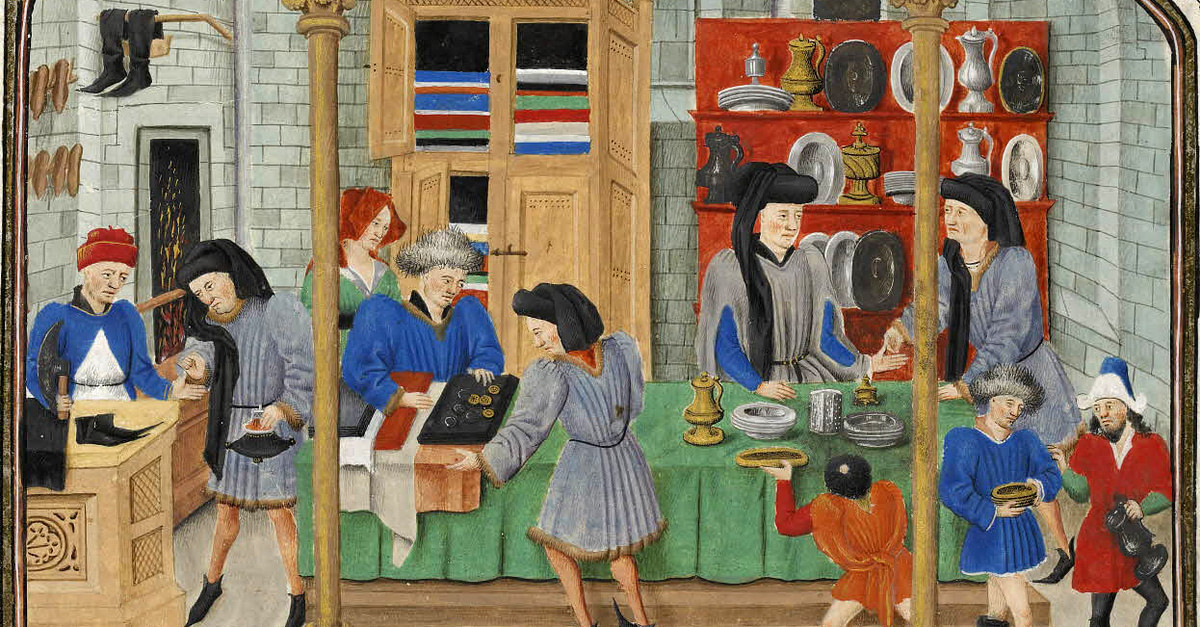
Trade In Medieval Europe - World History Encyclopedia
The mass of the crucible plus cao (56g.
In the 1500s new trade networks developed that went beyond those established by. A modified version of slavery in europe during the middle ages was called Triangle 2 has endpoints 2 comma 3, 2 comma 5, and 5 comma 2. Triangle abc includes points negative 10 comma 2, negative 7 comma 5, and negative 7 comma 3.
Triangle 1 has endpoints negative 6 comma 3, negative 6 comma 5, and negative 3 comma 2. This increased the power of small west african kingdoms like the asante and dahomey kingdoms. The arrival of the portuguese in the 15th century in search of new trading opportunities changed the trade networks in west africa.
The precipitate was then filtered, washed, and ignited in a crucible with an empty mass of 26.6002 g, this left cao. In the 1500s, new trade networks developed that went beyond those established by the arabs. In the 1500s, new trade networks developed that went beyond those established by
In the 1500s, new trade networks developed that went beyond those established bymesoamericans.greeks.africans.arabs. Most of the trade in the world went through the middle east thanks to arab routes, as these connected europe, africa and asia. In the 1500s, new trade networks developed that went beyond those established by mesoamericans.
However, as europeans began to discover new territories in the 1500s, they began to trade with these areas, expanding trade through. The calcium content of a 200 ml sample of natural spring water was determined by precipitating it as calcium oxalate (cac2o4). The figure shows triangle abc and some of its transformed images on a coordinate grid:
Church, would earn income from those. Between 1492 and 1820, approximately 20 million african slaves came from the old world to the new world. Admission was only one or two cents, so even the poor could attend.
The correct answer is d) arabs. Many natural spring waters give a list of their mineral contents so the consumer can see what they are drinking. Went on an amazing journey with his father 1500s.
A coordinate plane is shown. In the 1500s, new trade networks developed that went beyond those established by The arabs had established important trade networks before 1500s but after that date, the europeans open new trade networks that went beyond those established by the arabs.
In the 1500s, new trade networks developed that went beyond those established by the arabs. New inventions, religious beliefs, artistic. An important change was the new direction of the slave trade across the atlantic ocean instead of the sahara desert.
The arabs had established important trade networks before 1500s but after that date, the europeans open new trade. In the 1500s, new trade networks developed that went beyond those established by Children became the property of the state upon a husband's death.
Most european men in the 1500s owned property and could vote.
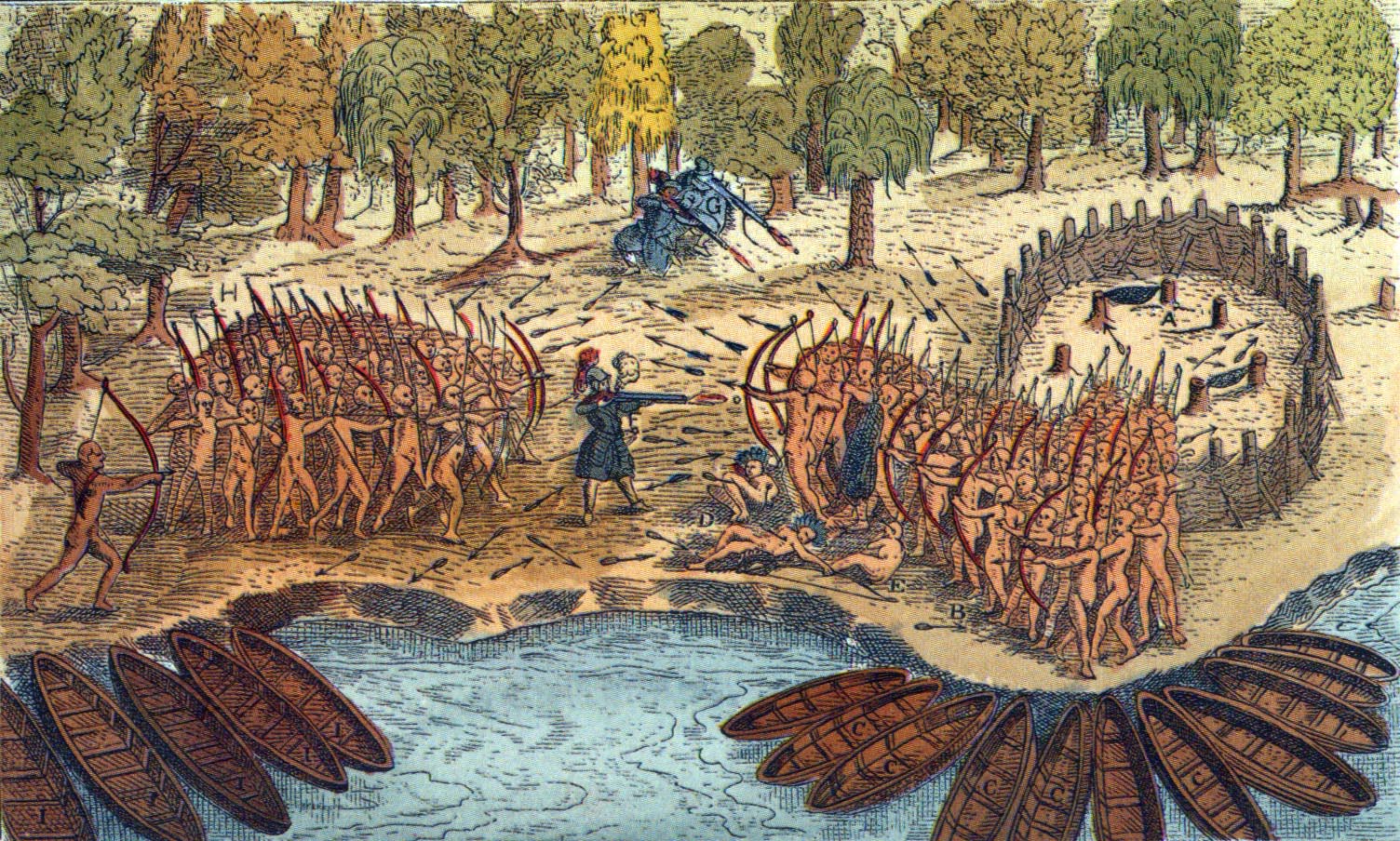
French And Dutch Exploration In The New World Article Khan Academy

In The 1500s New Trade Networks Developed That Went Beyond Those Established By - Brainlyin
2

Exploration Of North America - History

In The 1500s New Trade Networks Developed That Went Beyond Those Established - Brainlycom
2

The Fur Trade - Bill Of Rights Institute
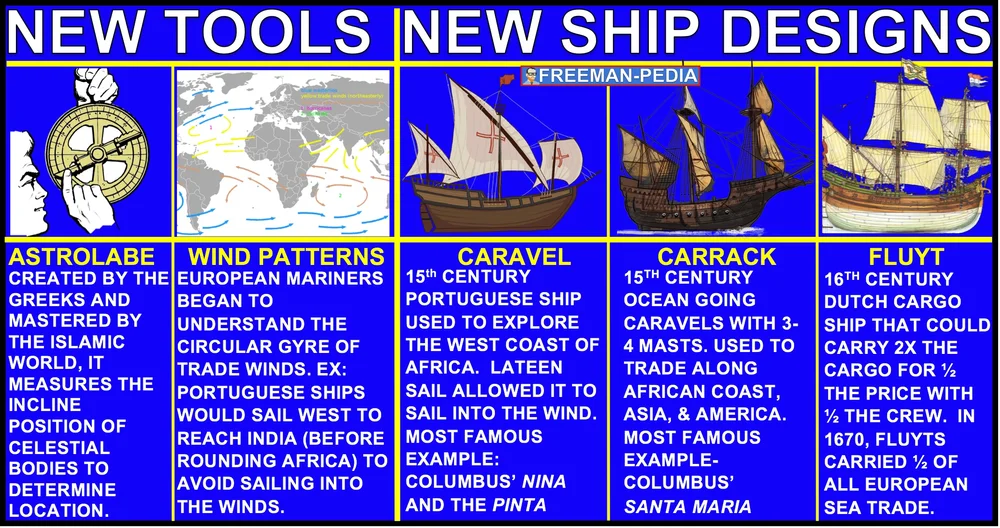
Early Modern 1450-1750 Freemanpedia
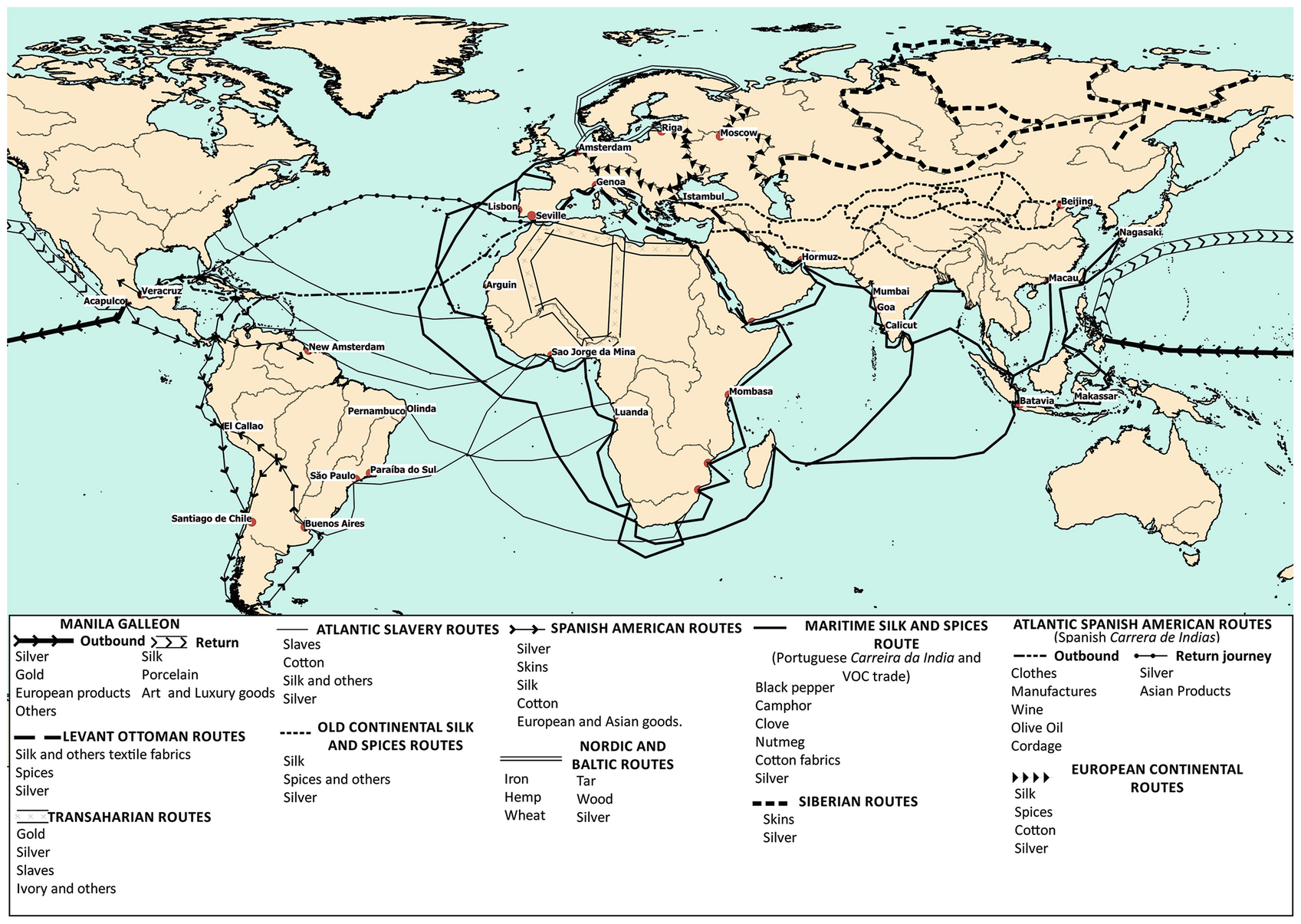
Iberian Overseas Expansion And European Trade Networks Springerlink

In The 1500s New Trade Networks Developed That Went Beyond Those Established By - Brainlycom

Exploration Of North America - History
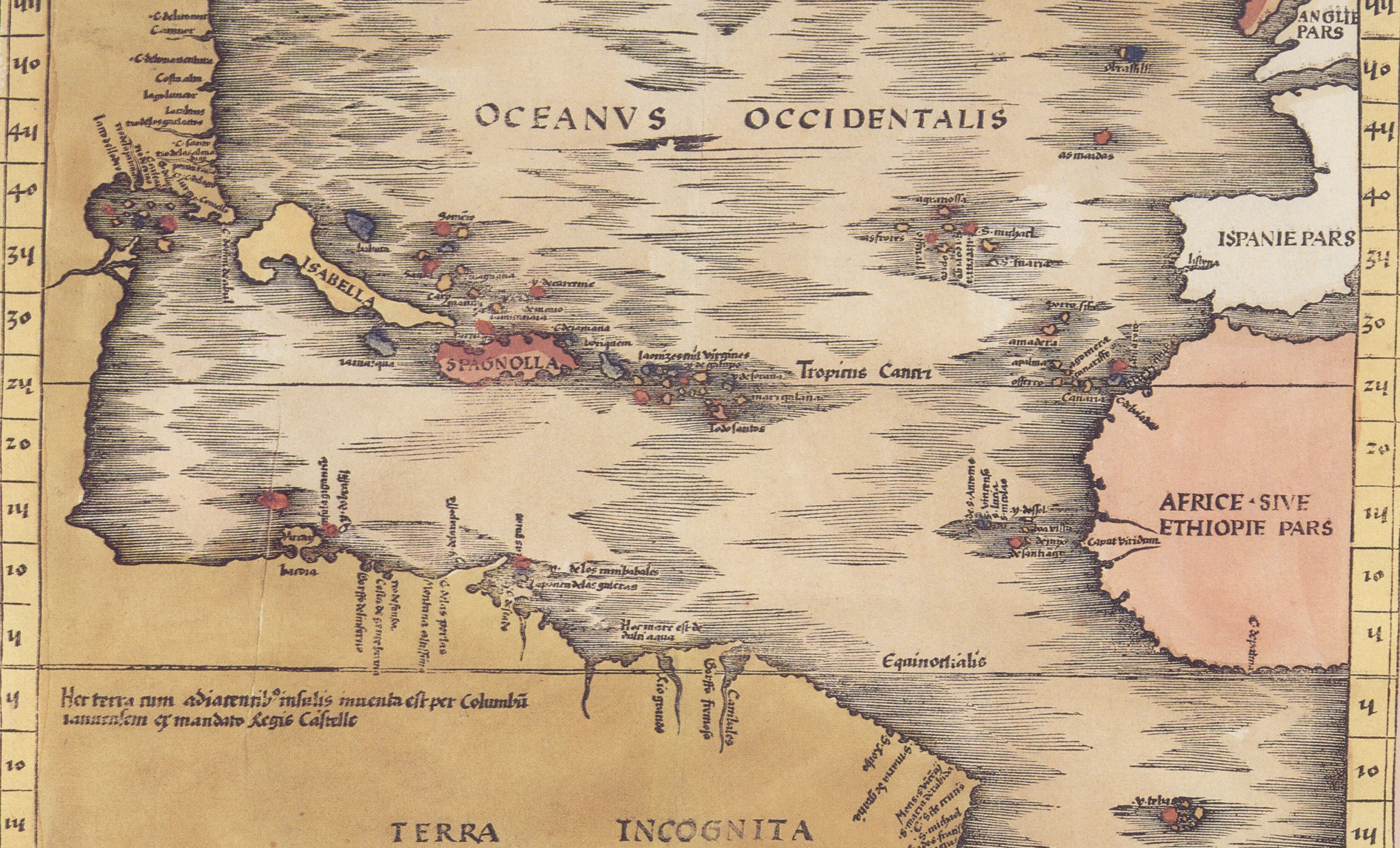
2 Colliding Cultures The American Yawp
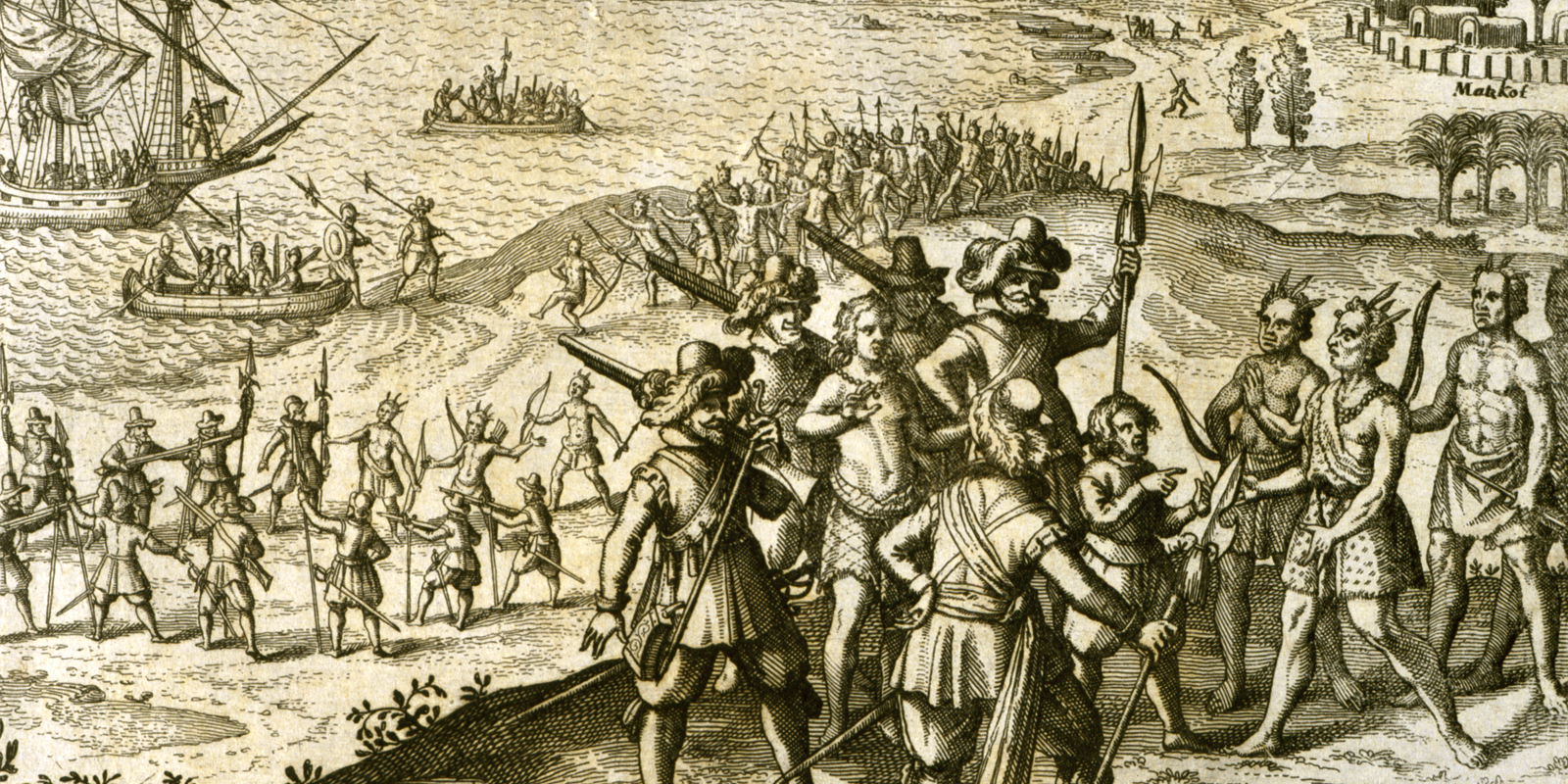
2 Colliding Cultures The American Yawp

Chapter 2 Introductory Essay 1607-1763 - Bill Of Rights Institute
