If You Believe That Stock Prices Follow A Random Walk Then Probably You - What is the probability that ellen’s stock reaches the high value of $15 before the low value of $5? If asset prices follow a random walk, then the best forecast of the value of an asset in a given period is the value of the asset in the previous period.
2
To say that stock prices follow a random walk is to argue that a.
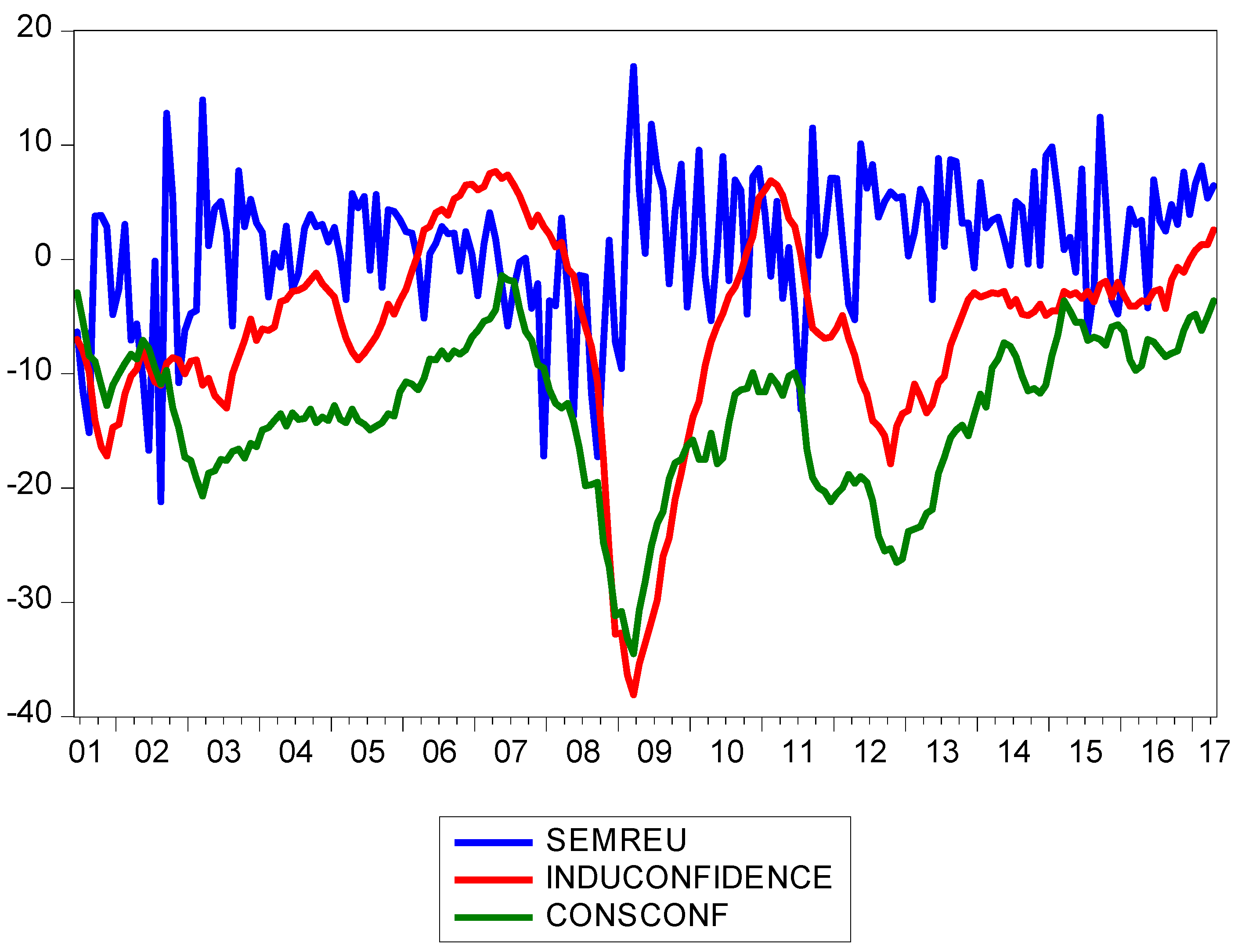
If you believe that stock prices follow a random walk then probably you. Dissertation titled the theory of speculation (1900) included some. Extending this to market trading strategies, this implies that the What follows is a simple but important model that will be the basis for a later study of stock prices as a geometric brownian motion.
The random walk hypothesis is a financial theory stating that stock market prices evolve according to a random walk (so price changes are random) and thus cannot be predicted. Stock price changes that are random but predictable b. Formally, if arbitrage is impossible, then the theorem predicts that the price of a stock is the discounted value of its future price.
To say that stock prices follow a random walk is to argue that a. Let s t denote the stock price. Future stock prices tend to follow.
False according to the efficient markets hypothesis, the number of people who think a stock is overvalued exactly balances the number of people who think a stock is undervalued. Stock prices that respond slowly to both old and new information c. If you believe that stock prices follow a random walk, then probably you:
Future stock prices can be predicted based on today's prices. If you believe that stock prices follow a random walk, then probably you which one of the following statements is correct? Future stock prices tend to follow trends.
Future stock price is as likely to rise as to fall. Some financial theoreticians believe that the stock market's daily prices constitute a random walk with positive drift. if this is accurate, then the dow jones industrial average should show a gain on more than 50% of all trading days. We then follow the stock price at regular time intervals t d1, t d2;:::;t dn.
However, while prices are rationally based, changes in prices are expected to be random and unpredictable, because new information, by its very nature, is unpredictable. Therefore stock prices are said to follow a random walk.2 three versions of the efficient markets hypothesis If a random walk occurs cannot predict the price of the asset from day to day.
A follower of random walk theory might conclude that an index fund is the best choice as individual stock prices are utterly random. Future stock prices rise, then fall, then rise again. Let s 0 denote the price of some stock at time t d0.
Efficient markets imply that asset prices follow a random walk, all relevant info has been captured in the price of the asset. Stock price changes that are random and unpredictable d. Among the important characteristics of market efficiency is (are) that:
Solution we want \the probability that the stock goes up by 5 before going down by 5. this is equivalent to starting the random walk at 0 with a= 5 and b= 5, and computing p(a). According to the efficient markets hypothesis, stocks follow a random walk so that stocks that increase in price one year are more likely to increase than decrease in the next year. Where is better homes and gardens room spray manufactured.
The concept can be traced to french broker jules regnault who published a book in 1863, and then to french mathematician louis bachelier whose ph.d. The reward for bearing risk is called the st. How efficient markets are (and are not) linked to the random walk theory can be described through the fundamental theorem of asset pricing.
If that were not the trace then you might find patterns that would show a random walk did not occur. If you believe that stock prices follow a random walk, then probably you. Future stock prices rise, then fall, then rise again.
Ellen bought a share of stock for $10, and it is believed that the stock price moves (day by day) as a simple random walk with p= 0:55. The random character of stock market prices was first modelled by jules regnault, a french broker, in 1863 and then by louis bachelier, a french mathematician, in his 1900 phd thesis, “the theory of speculation. Though stock prices follow a random walk and intraday price changes do appear to be a random walk, over the long run there is compensation for bearing market risk and for the time value of money.
Stock prices changes that follow the pattern of past price changes 56. If you believe that stock prices follow a random walk, then probably you: 29 october 2021 by lets tokmak.
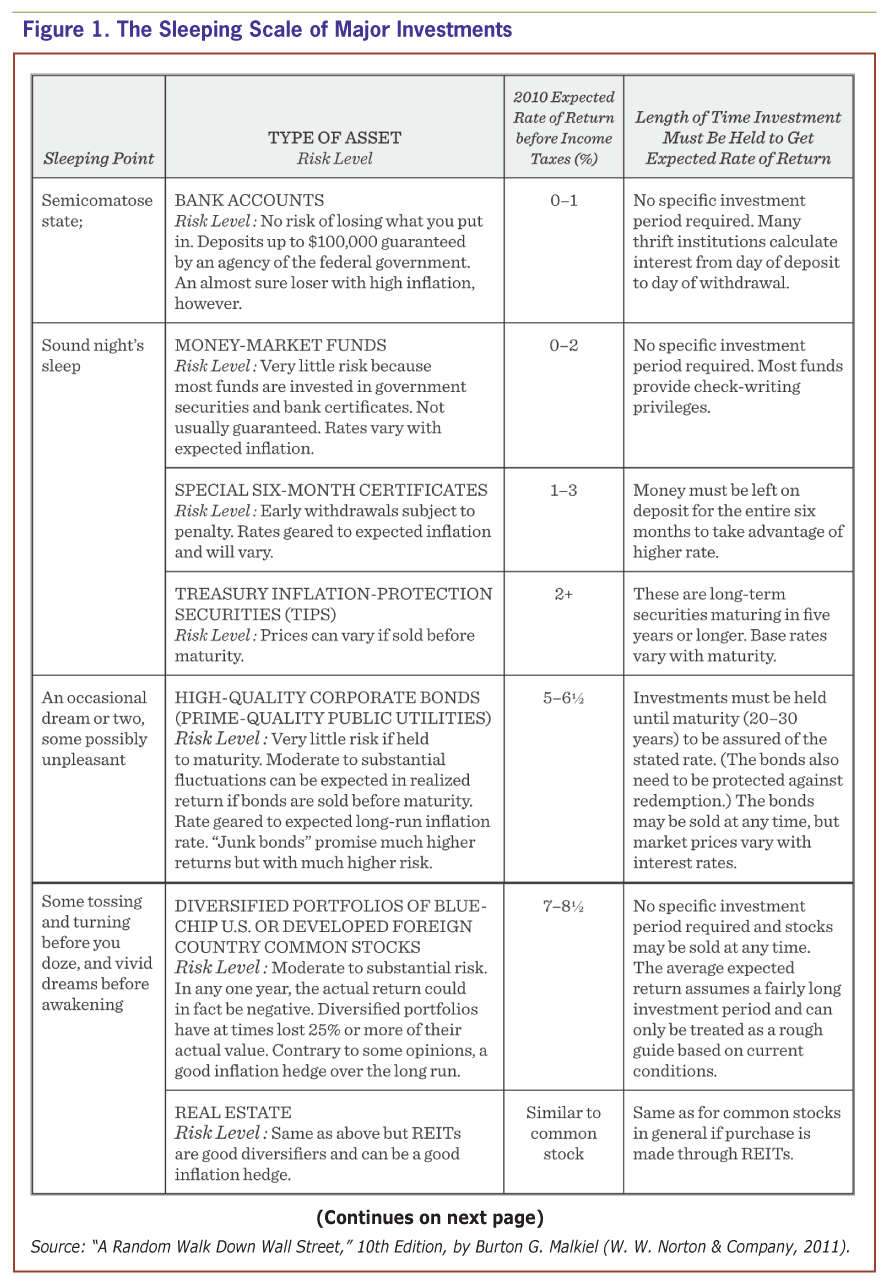
Stock Price Movements Are Unpredictable Aaii

This Crazy Stock Market A Story Told With Pictures Nasdaq

The Impact Of Sentiment And Attention Measures On Stock Market Volatility - Sciencedirect

This Crazy Stock Market A Story Told With Pictures Nasdaq
How To Know If A Stock Price Is Expected To Rise In The Future - Quora

Stock Price Movements Are Unpredictable Aaii

This Crazy Stock Market A Story Told With Pictures Nasdaq
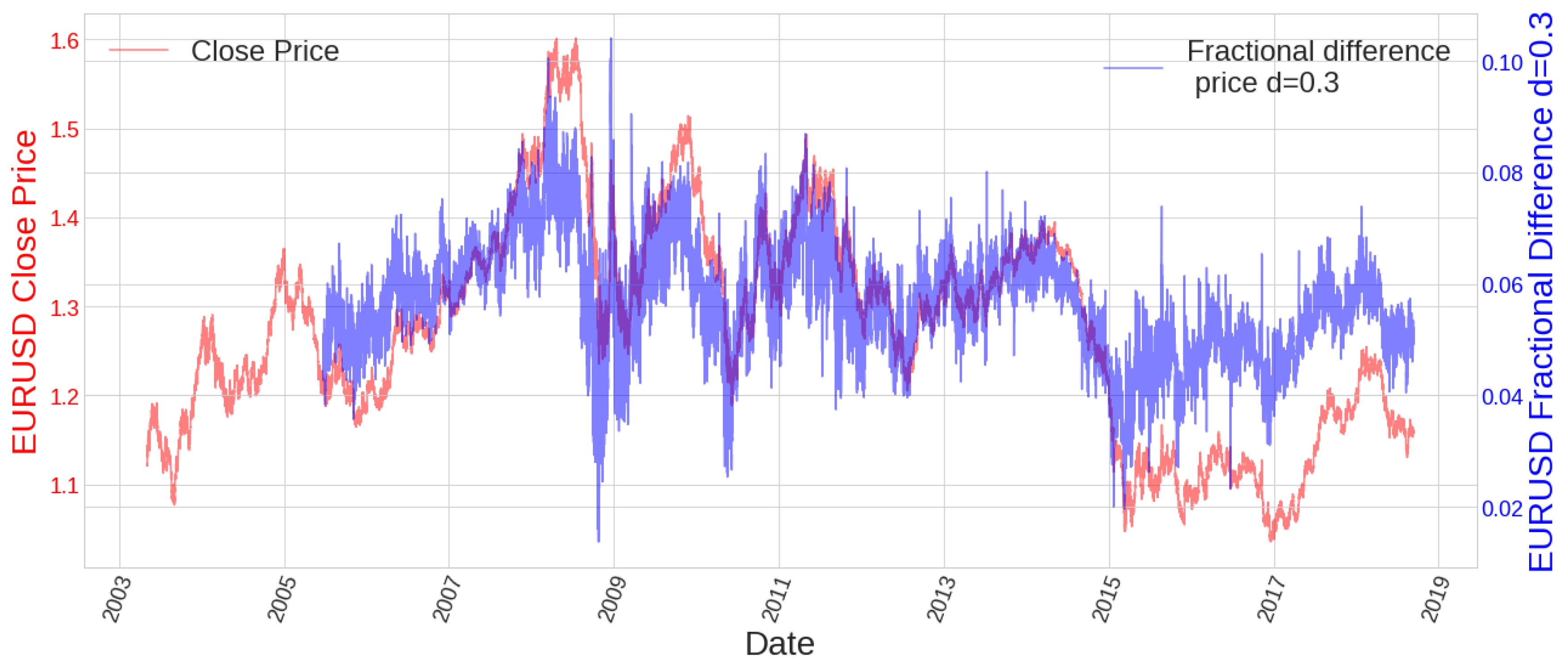
Mathematics Free Full-text Predictive Power Of Adaptive Candlestick Patterns In Forex Market Eurusd Case Html
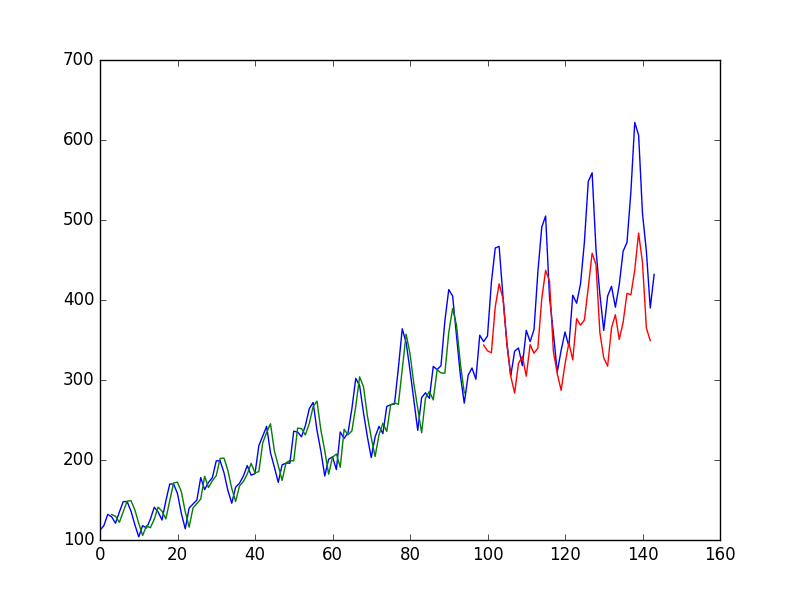
Time Series Prediction With Lstm Recurrent Neural Networks In Python With Keras
2
2
/dotdash_final_Dividend_Signaling_Jan_2021-01-0fc07ac2647e49afa790580417225480.jpg)
Dividend Signaling Definition

117 Questions With Answers In Stock Pricing Science Topic
Investorplace Mission Control Investing During The Coronavirus Panic Markets Insider
